Air sealing services in Pueblo CO - drafts stopped before the insulation goes in
Drafty rooms, cold floors and a climbing power bill usually mean air is slipping through gaps. We find them and close them.
- Services
- 16
- Service areas
- 7
Ask us to find your air leaks
I check the hatch, can lights, vents and every fuel-burning appliance before pricing anything.
Request an estimateWhat does air sealing do for a drafty house in Pueblo?
Our air sealing services in Pueblo, CO find and close the gaps in your house's outer shell, so the air you paid to heat or cool stays inside and the insulation can do its job. It often cuts a home's energy use noticeably, and older, leaky houses usually gain the most.
Most people call about the room over the garage that never warms up, cold floors or a power bill that keeps climbing even after someone added insulation. That last one is usually the giveaway, because air walks right past most insulation, and attic insulation piled over open gaps is a common reason a house still feels drafty. The price moves with the size of the house, how easy the attic is to get around in and how much old insulation has to come up before we can reach the leaks. The schedule turns on whether you get a blower door test first, whether insulation follows the sealing and whether your address needs a permit. You get your own figure once I've looked at the space.
How our air sealing service works
I start by looking at what's already up there, how many inches of it and whether it's wet or full of droppings from a mouse that overstayed, because fresh material over a mess just keeps the mess. On a big sealing job we like to see blower door results first, a test that shows how leaky the house is, so we're chasing real leaks and not guessing. Then our crew pulls back or removes old insulation where it's in the way and seals around can lights, plumbing and wiring holes, duct runs, fans and the attic hatch, keeping the eave vents clear so the attic can still breathe. We're careful around the furnace, water heater and anything else that burns fuel, so it still gets the air it needs once the house is tighter, and when a space is in doubt, a BPI-certified technician can run a combustion appliance zone test to show which sealing is safe there.
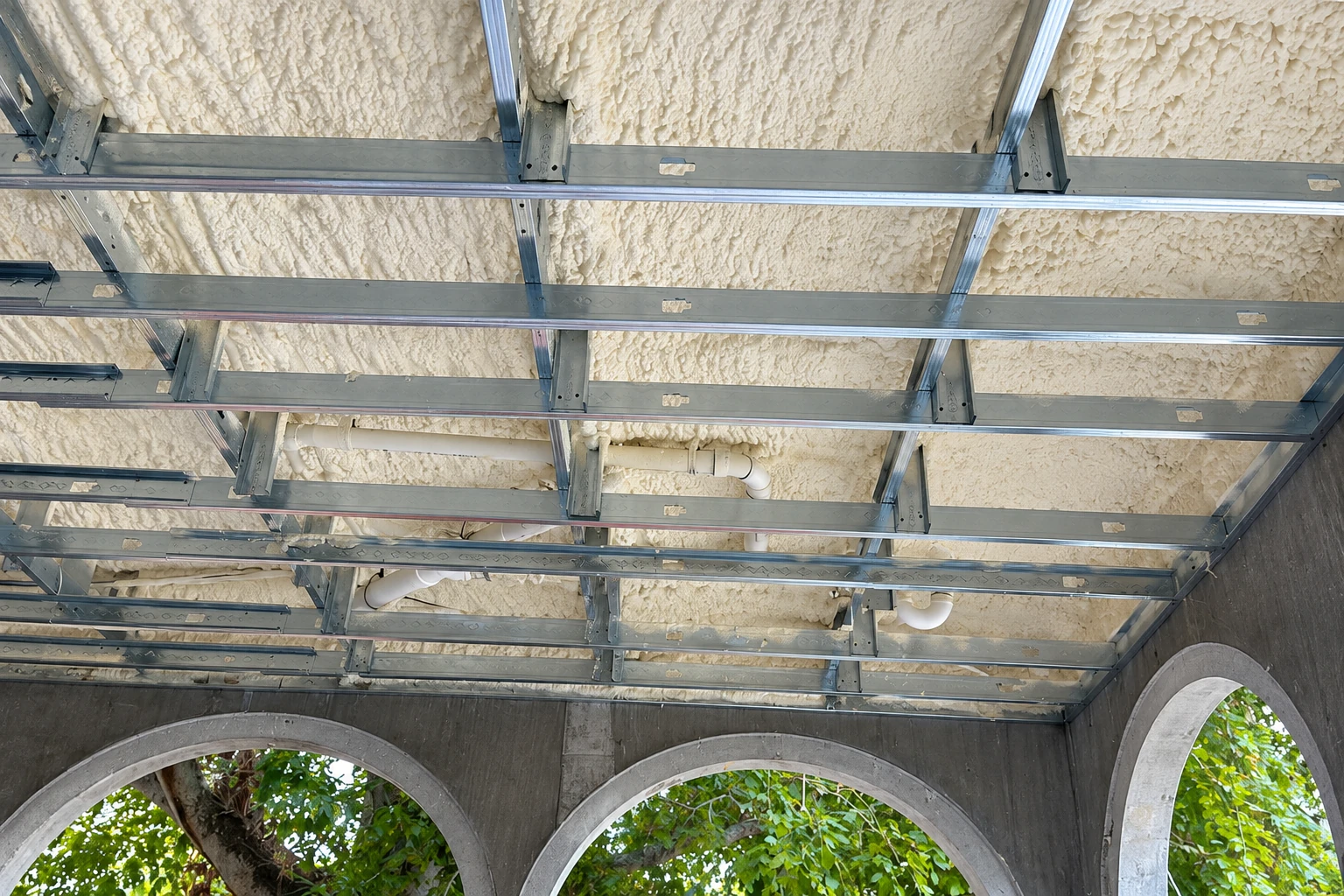
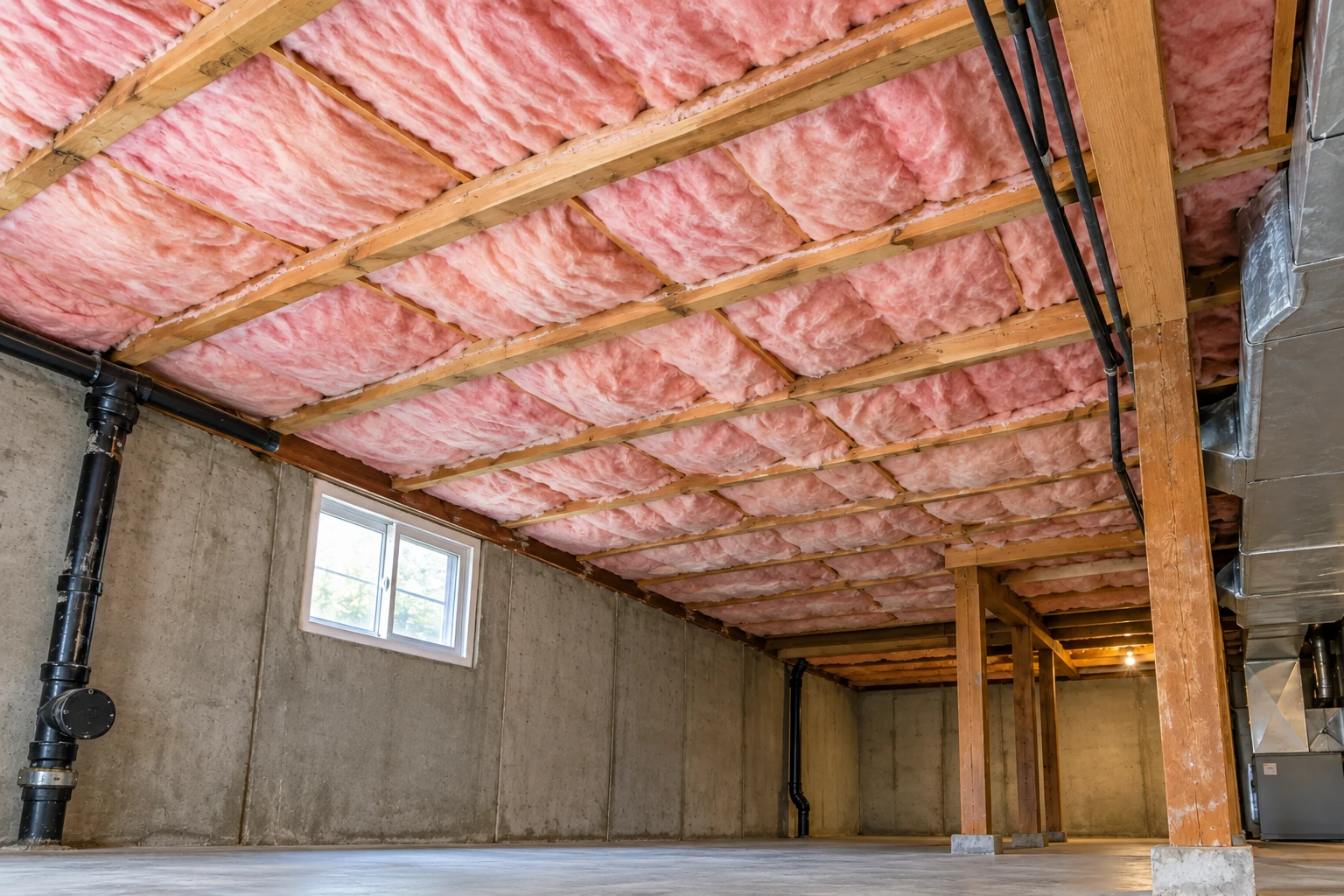
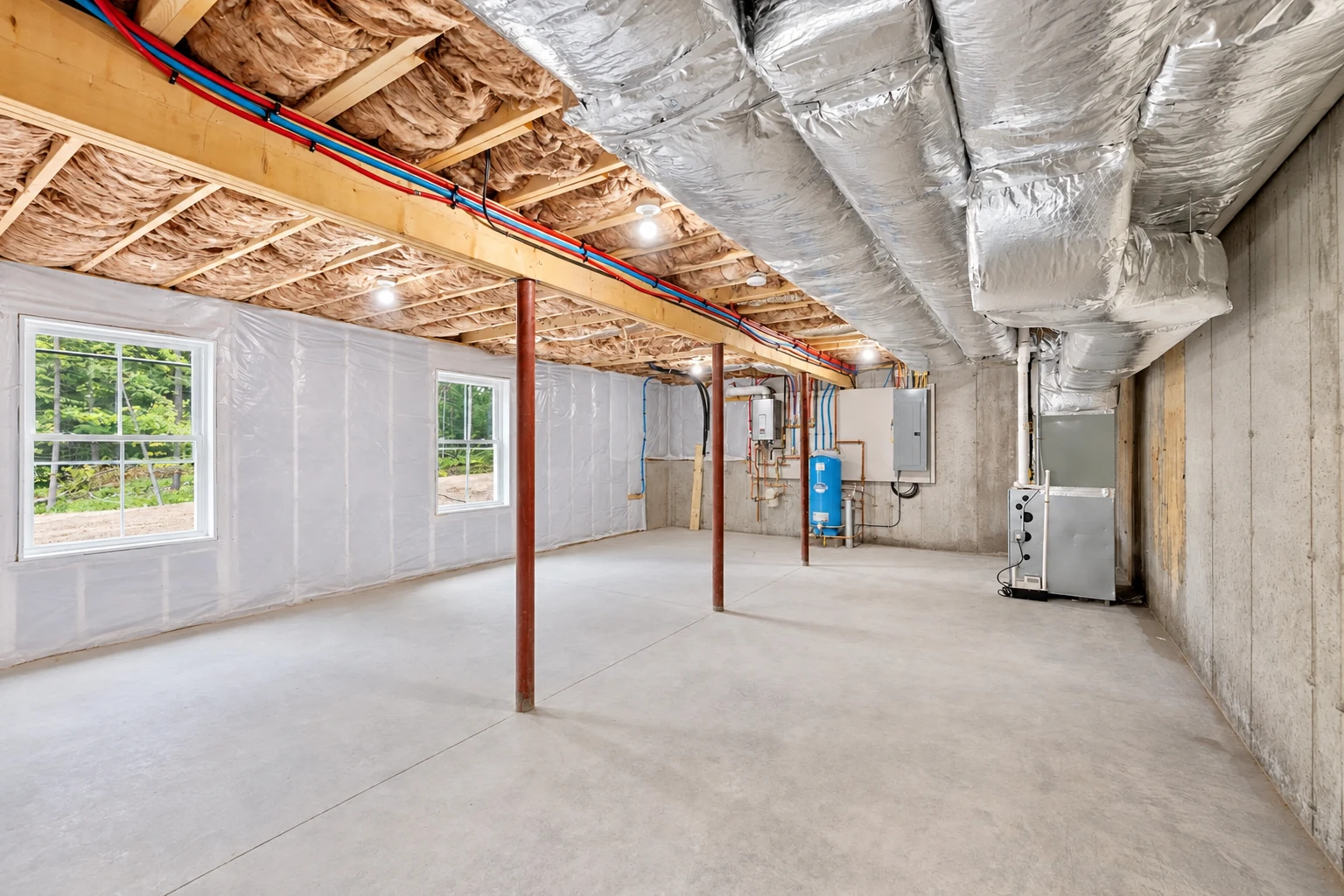
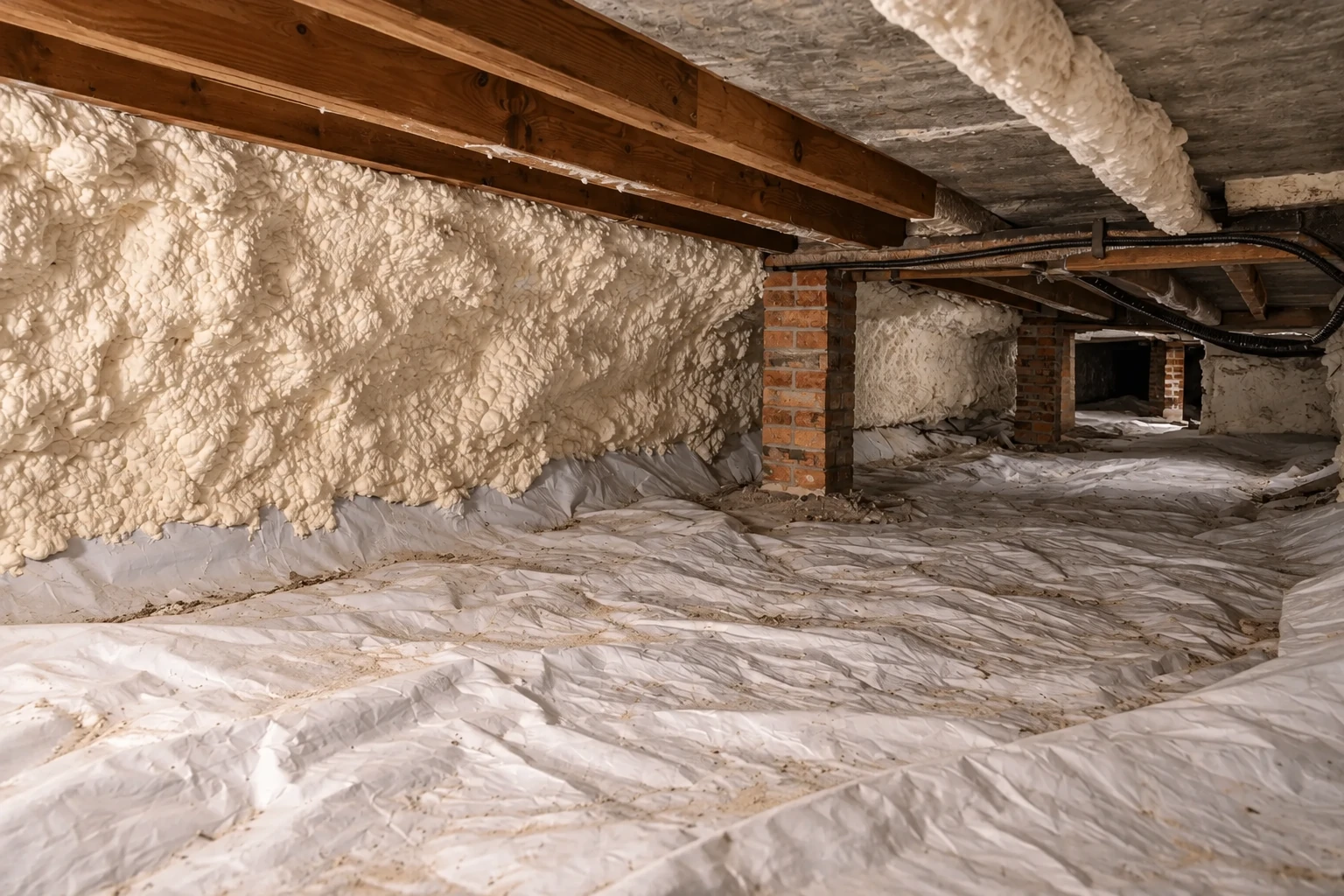
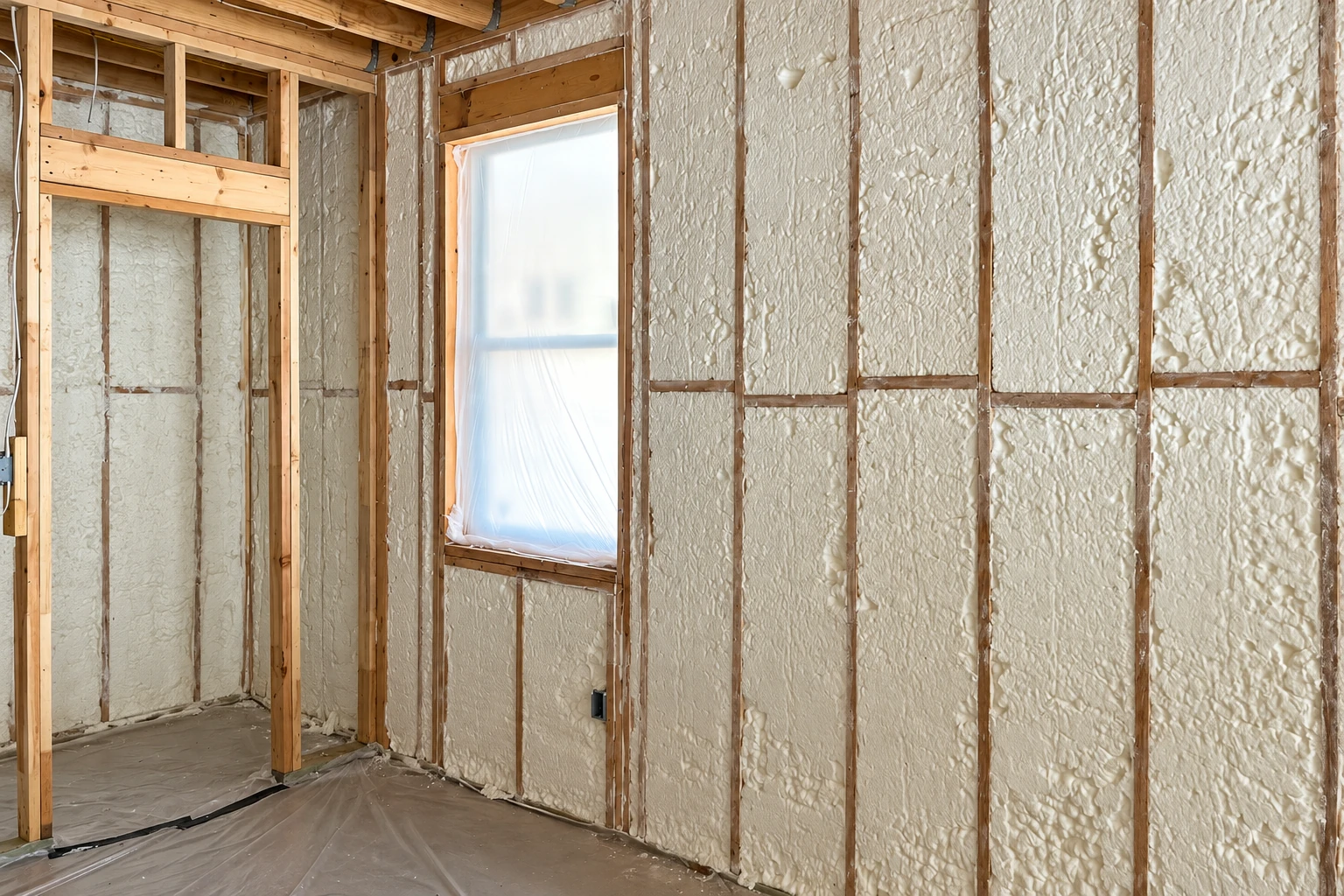
Sealing usually leads into other work. Foam costs more but seals and insulates in one pass, so I steer people toward closed-cell foam insulation, a dense foam that also blocks moisture, mainly when the ductwork lives in the attic, and otherwise sealing the gaps and topping up loose fill usually wins. Down below, the rim joists where the house sits on the foundation leak plenty of air, so we often seal them as part of basement insulation.
Air sealing in Pueblo and the permit question
Inside Pueblo city limits and Boone, building permits come from the Southern Colorado Building Department, and outside them the Pueblo County Building Division handles permits, so your address decides which office you deal with. Whether an air sealing job needs a permit isn't something I'd guess at, so the first step is to check with the department. If yours does, we pull it and line up the inspection.
We're based in Pueblo, and the older houses here tend to leak in the same places, around a loose attic hatch, through can lights cut into plaster ceilings and along plumbing stacks that run straight up into the attic. Newer houses aren't off the hook, but they hide it better behind more drywall and deeper fill. We see the same patterns on jobs in Pueblo West and Colorado Springs, and in Fountain, Fort Carson, Security-Widefield, Stratmoor and plenty of the cities around them.
Why call us for air sealing
I look at the job myself
I've been doing this since 2017, and I still come out to look at the space myself before I put a price on anything. Our install crew does the sealing, and I'm on site for most of it, so the person who quoted the job sees it done.
Licensed and fully insured crew
We're licensed and fully insured. That matters when a crew spends the day kneeling on your ceiling joists, one wrong step from your living room.
We find your building office
Pueblo, the county and the Colorado Springs side don't all use the same building office, so we check which one covers your address before we start. That way the paperwork matches where your house actually sits, and nobody finds out halfway through.
- Phone
- (719) 601-8052
- Hours
- Mon–Fri: 6 AM–9 PM, Sat–Sun: 8 AM–10 PM
- Location
- Pueblo, CO 81003
Have your address handy, know whether it's inside city limits and whether you live there, and tell us what in the house burns fuel. Then call or send the form and I'll come take a look.
Get a free air sealing estimate at your house
We reply within one business day to set a time that works for you. The estimate is free, done at your home and comes with no obligation, and I look at the attic and the rest of the space before I put a price on anything.
- Phone
- (719) 601-8052
- Location
- Pueblo, CO 81003
- Hours
- Mon–Fri: 6 AM–9 PM, Sat–Sun: 8 AM–10 PM
- Credentials
- Licensed and fully insured.
Frequently asked questions
How much does air sealing cost in Pueblo, CO?
Your price comes down mostly to how much work it takes to reach the leaks, because sealing an open attic goes quicker than working under a deep layer of old fill. Spray foam costs more than caulk and canned foam, and old insulation that's soaked or full of droppings has to come out first. If you'd like to borrow for the work, the Colorado Energy Office's RENU loan covers air sealing and insulation with loans from $500 to $35,000, as long as you use a RENU-authorized contractor.
Should I seal air leaks before adding insulation?
Yes, seal first, because most insulation still lets air pass right through it. Foam and very densely blown-in loose fill are the exceptions, but once regular insulation covers the attic floor, the small leaks under it get much harder to find and plug. If you're planning both jobs, book the sealing first and the insulation right behind it.
Do I need a blower door test before air sealing my house?
For a big sealing job, a blower door test from a professional energy auditor is the recommended first step. It shows whether the house is too leaky or would need mechanical ventilation once it's tighter, and that result should shape the plan. Ask the auditor whether they hold a BPI Building Analyst or a RESNET Home Energy Rating System Rater certification, the two recognized ones for this work.
How do I seal air leaks in my house myself?
You can seal the obvious ones yourself, around door frames and where pipes, vents, wires, ducts and fans come through, and that can help. What doesn't work that way are the small, hard-to-spot leaks, especially in an older attic buried under layers of insulation. That's the part where we pull the insulation back and go looking.
Can I pull my own permit for air sealing in Pueblo?
Only if the house is an owner-occupied single-family home, according to the Southern Colorado Building Department's guidance on homeowner permits. If it's a rental or another kind of property, that route isn't open, and either way it's worth checking the current rules with the office that covers your address before you apply.
How do I know my attic is ready for air sealing?
Your attic is ready once it's been checked for the things that stop a sealing job, starting with live knob and tube wiring, vermiculite insulation, bath fans venting into the attic, roof leaks, unvented gas fireplaces and attic flooring. Any one of those changes the job or the order we do it in, and some have to be sorted out before anyone seals anything. I look for them on the estimate visit.
Related insulation work
Basement insulation
If the floors above your basement stay cold, the walls and rim joists down there are usually the place to start.
Closed-cell foam insulation
When ductwork runs through the attic or a space needs moisture held back too, dense foam seals and insulates at once.