
Open-cell foam insulation in Pueblo CO - a quieter house that holds its heat
Drafty rooms, a hot upstairs or a power bill that climbs every winter? We seal and insulate in one coat so the house stays even.
- Services
- 16
- Service areas
- 7
Book your open-cell foam estimate
I'll check what's in your walls or attic now and tell you what can stay.
Request an estimateIs open-cell spray foam the right fit for my Pueblo house?
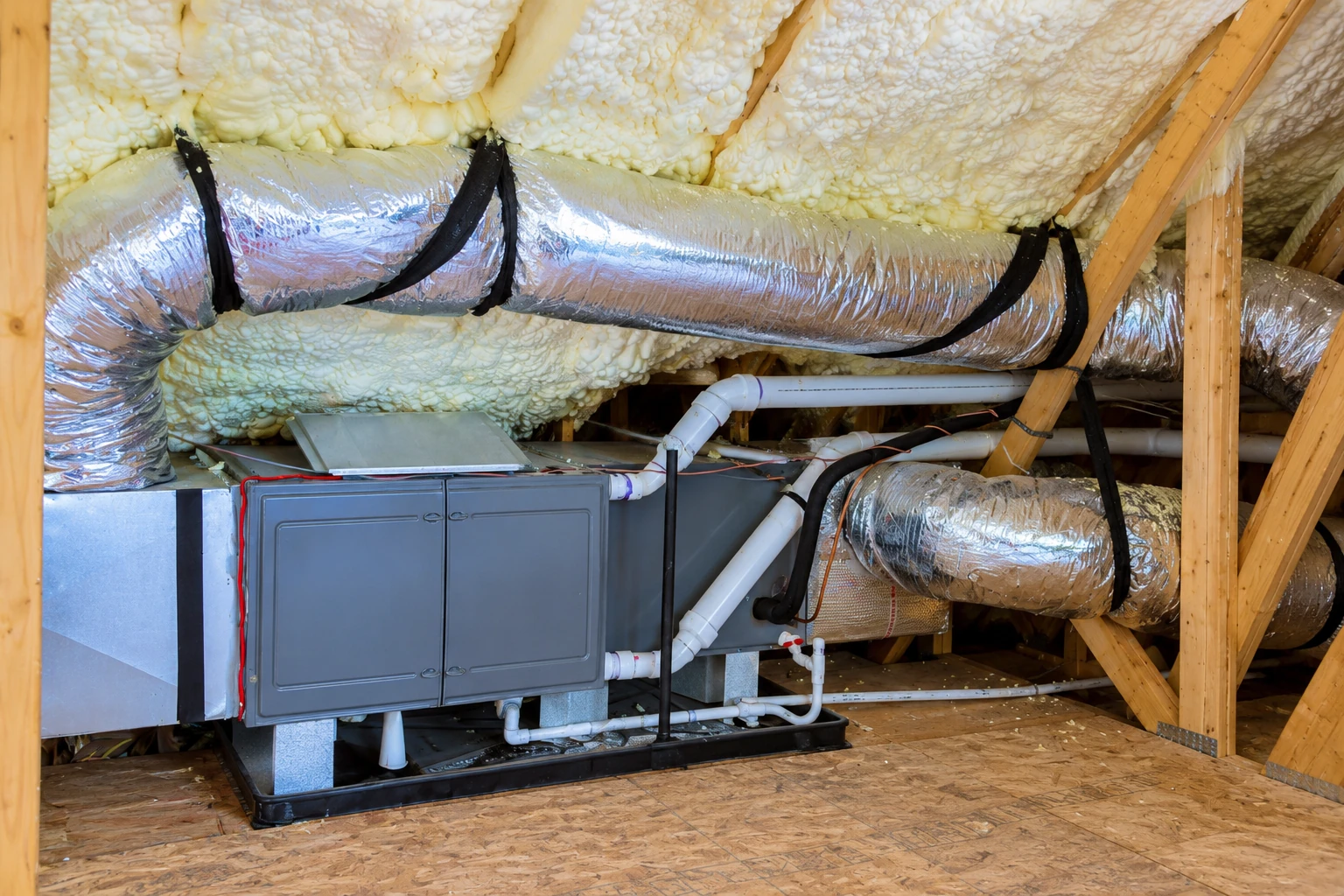
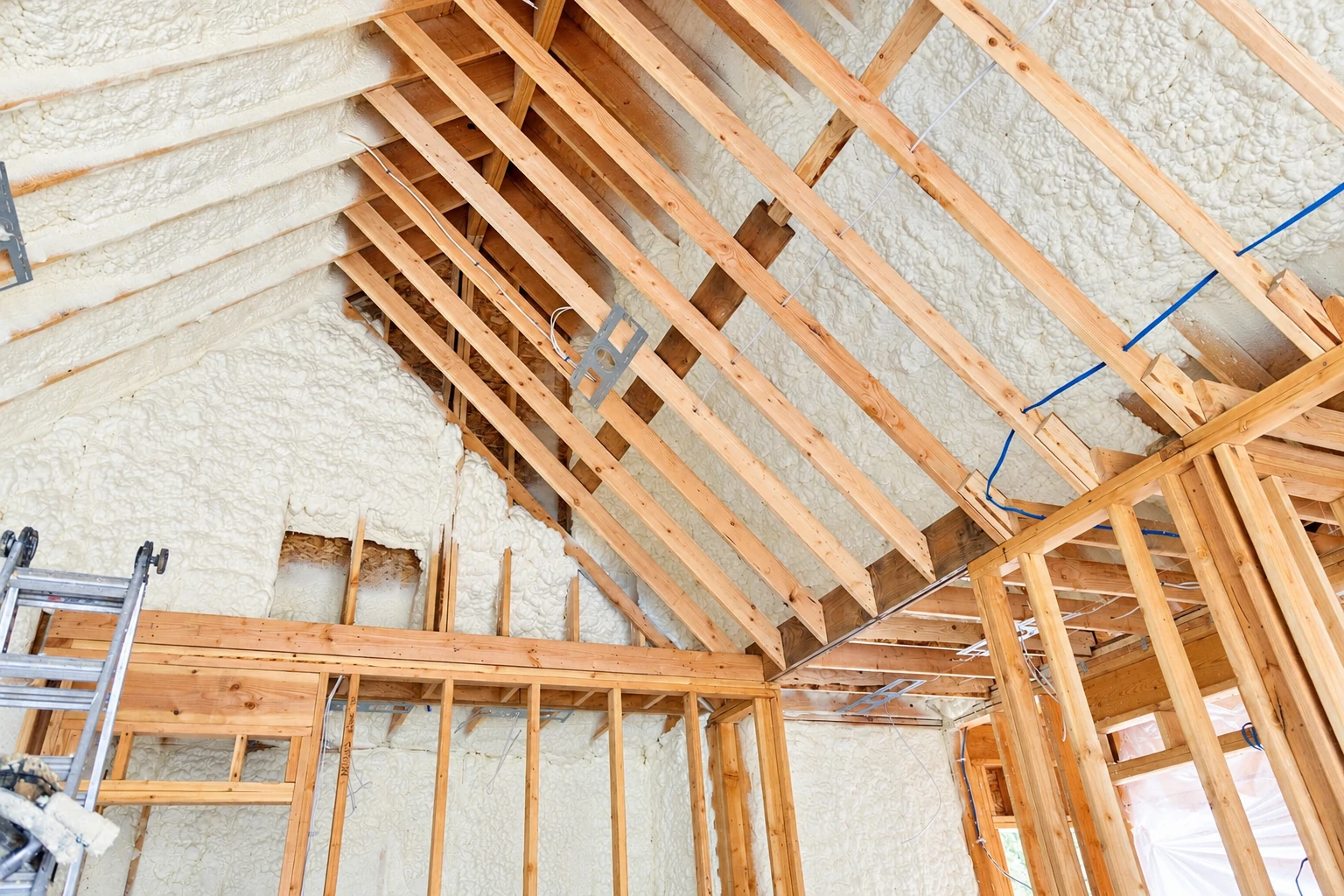
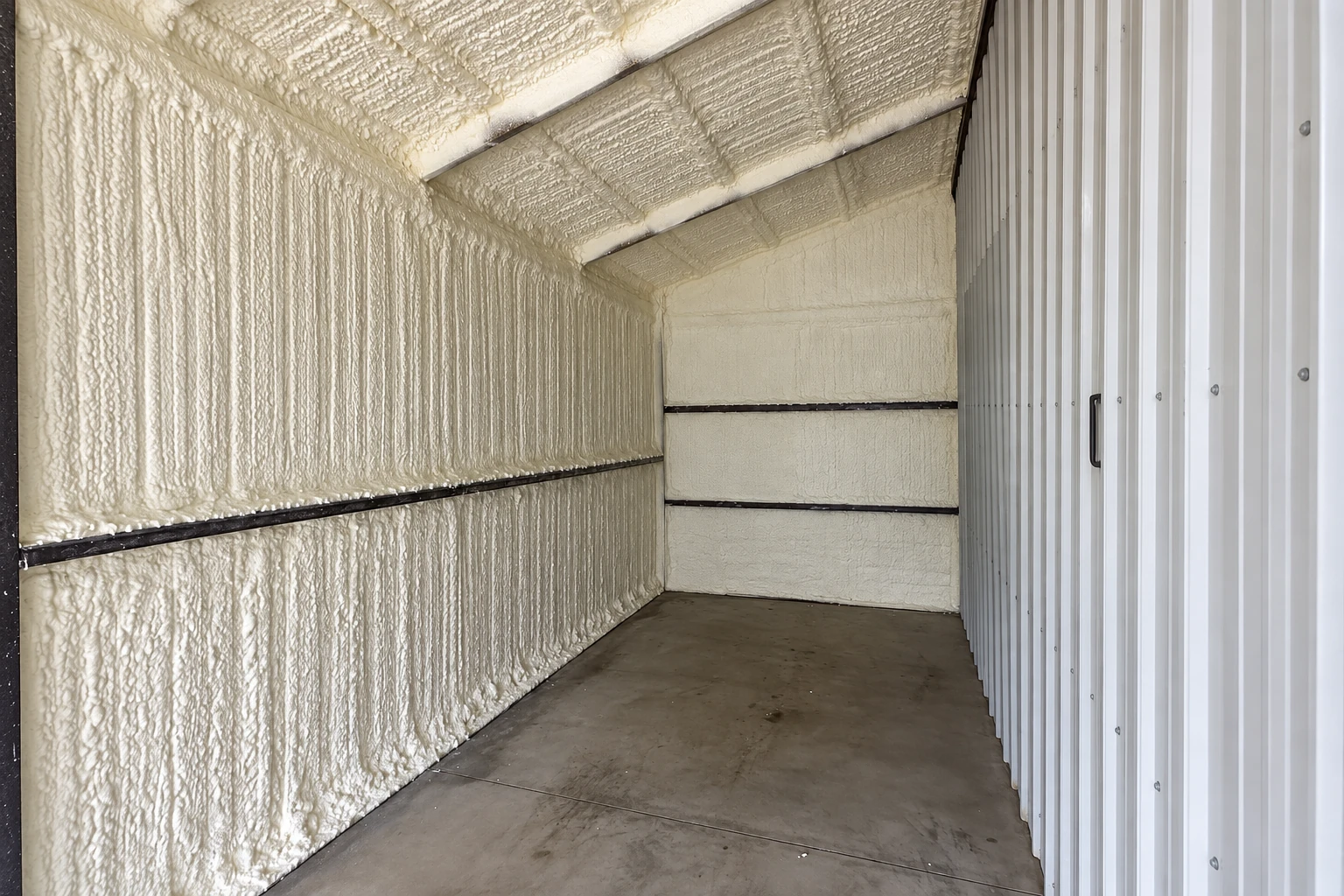
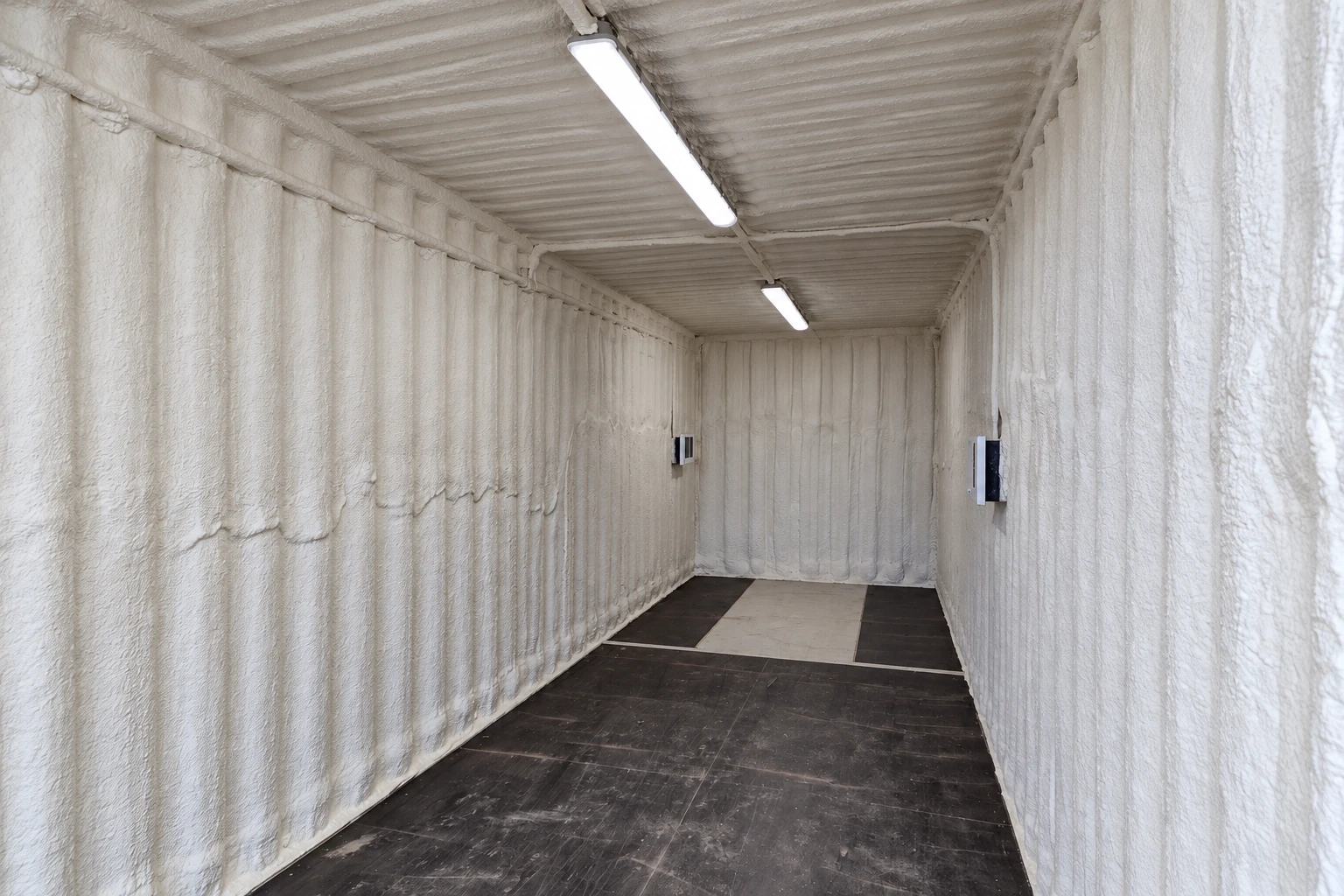
Open-cell foam insulation is a soft, low-density spray foam that slows heat and stops air leaks in the same coat, so a drafty Pueblo house gets quieter and holds its temperature better. It doesn't stop moisture, though, so the plan matters as much as the foam.
Most people call us about a cold room over the garage, an upstairs that bakes in July or a power bill that jumps every January. The price moves with how much wall, ceiling or floor we're covering, how deep the foam goes, whether old insulation has to come out first and whether your plan needs an added vapor layer. The schedule turns on prep, any inspection the job needs and the time your household spends out of the house while the foam cures. We're based in Pueblo and work across Pueblo West, Colorado Springs, Fountain and plenty of the cities around them, and I look at the space before I put a price on anything. If what's up there now is wet or full of droppings, insulation removal comes first, because foam over a mess just hides the mess.
How our crew installs open-cell foam insulation
It starts with me at your house, checking how many inches are already there and whether any of it is soaked or left behind by a mouse that overstayed, because fresh foam won't fix either. Open-cell is softer and quieter than closed-cell foam, the dense kind that blocks moisture, but it lets moisture through, so if the plan calls for an added vapor layer, it goes in the quote up front. If anyone at home has asthma or allergies, I'd rather hear about it at the estimate than on spray day, since it can change the plan. When spray day comes, our crew covers floors, windows and anything we can't move, your household heads out, and we spray to the depth the plan calls for. Open-cell swells past the studs, so we trim it flush, add the vapor layer if it's in the plan and clean up the shavings before we leave.
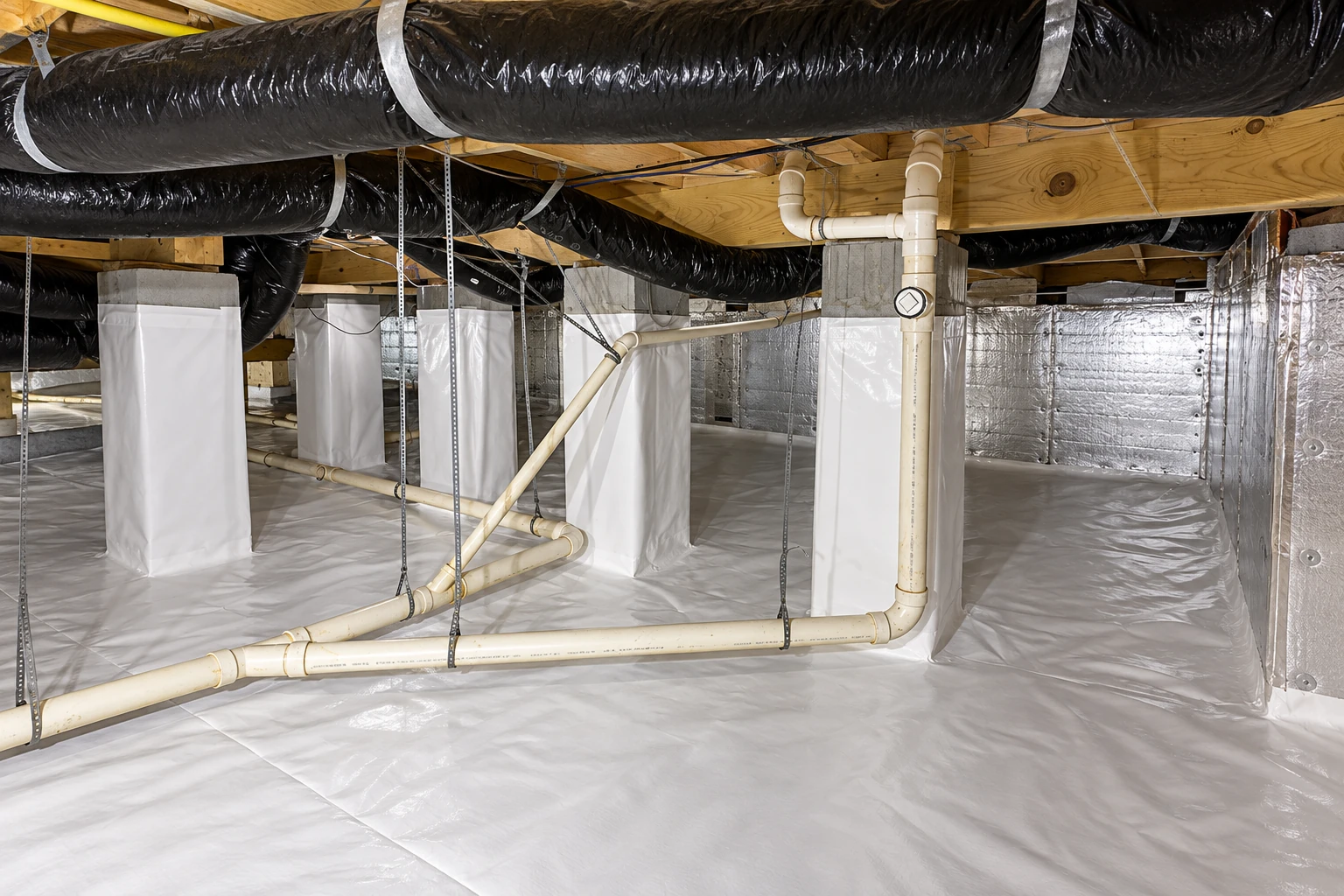
Property managers call us for the same work in offices, shops and rentals, and our commercial insulation page covers how those jobs run. Under the house is a different story, because open-cell doesn't do well next to damp ground, so a wet crawl space usually needs a crawl space vapor barrier over the dirt before anyone talks about insulation.
What Pueblo County checks on open-cell foam insulation in Pueblo
Pueblo County's building division inspects insulation after the framing is approved and before any drywall goes up, and at that inspection the R-value, a measure of how well insulation slows heat, has to reach at least R-19 in exterior walls and R-49 in ceilings. Where spray foam is used, the county also wants the installer to hand over an insulation certificate showing the exact R-value and thickness applied, so our crew measures depth as we spray and fills it out from those numbers. Pueblo, the county and the Colorado Springs side don't all use the same building office, so before we start I find out which one covers your address, and if the job needs a permit, we pull it and line up the inspection.
A lot of what we see here is older houses with a room over the garage that never warmed up, plus additions where the walls are still open. We run into the same rooms on jobs in Pueblo West and Colorado Springs, and we handle them the same way, measuring first and spraying second.
Why call us for open-cell foam
I look at every job myself
I come out for the estimate myself, and our install crew does the work with me on site for most of it. You talk to the person who actually saw your attic.
Licensed and fully insured
We're licensed and fully insured, which is what Pueblo County expects of anyone doing construction work there. Ask to see it at the estimate and I'll have it with me.
In business since 2017
I taught myself the trade from books and maker guides, then learned the rest on my knees in attics and crawl spaces. That second part is a good way to remember a lesson.
Plain answers about what's there
We're known for sealing a house before we insulate it and for telling you straight what we find up there. If a job should wait or happen in a different order, I'll say so before I sell you any foam.
- Phone
- (719) 601-8052
- Hours
- Mon–Fri: 6 AM–9 PM, Sat–Sun: 8 AM–10 PM
- Location
- Pueblo, CO 81003
Have the rough attic or wall area, the year your house was built and any health concerns at home handy, then ask for an estimate or call (719) 601-8052. Satisfaction guaranteed.
Get a plan and price for open-cell foam in your house
We reply within one business day, and the estimate is free, done at your home, with no pressure to book. I come out, look at the space and tell you plainly what I find, then you get a price you can take or leave.
- Phone
- (719) 601-8052
- Location
- Pueblo, CO 81003
- Hours
- Mon–Fri: 6 AM–9 PM, Sat–Sun: 8 AM–10 PM
- Credentials
- Licensed and fully insured.
Frequently asked questions
Does open-cell foam insulation work in colder climate zones?
It can, as long as a vapor layer is added. One maker's design note says open-cell is usually used in warmer climate zones but can go into Climate Zones 5, 6, 7, 8 and Marine 4 when an approved Class II vapor retarder, a room-side layer that slows moisture, is added toward the interior. We sort out which side of that line your house falls on before we quote.
How do I know if open-cell foam can go under my roof deck?
In most climates it can, but in Climate Zone 5 and colder, one building science guide says only high-density closed-cell foam should be sprayed under the roof deck. Sprayed there, either foam can turn the attic into an unvented space that sits inside the heated part of the house, and in those colder zones the same guide says an attic can combine closed-cell with open-cell. If you're weighing the dense option, our closed-cell foam insulation page covers it.
How long do we have to stay out of the house after spray foam insulation?
Plan on at least 24 hours, which is the minimum federal consumer safety staff give for vacating the house. They say the re-entry time, when it's safe to come back, varies with the product, the type of home and whether children or older people live there, and they advise anyone with asthma, respiratory allergies, skin conditions or a past reaction to isocyanates, the chemicals that make the foam, to read the product information carefully and consider other insulation if needed. We set spray day around your household, pets included, so nobody's guessing when to come home.
Who issues building permits in Pueblo?
The city lists the Southern Colorado Building Department as the office that issues building permits in Pueblo, and the department asks owners to check whether a permit is required before any work starts. As mentioned above, we find out which office covers your address and pull the permit if your job needs one.
Does an insulation contractor need a license in Pueblo County?
Yes. Pueblo County requires anyone doing construction work in the county to hold the right license or registration from the right board first, except where its code says otherwise, and it's unlawful there to hire someone who doesn't. Ask any installer to show it before they start, us included.
How much does open-cell spray foam insulation cost in Pueblo?
Your price comes from what I find at your house, so you get a real number after the estimate visit, not over the phone. Foam costs more than blown-in, the loose fill we blow through a hose, because it seals air while it insulates, but in an attic, air sealing, closing the gaps first, then topping up loose fill usually wins unless your ductwork lives up there. If that's the better buy for your house, I'll tell you, and our blown-in insulation page explains how it works.
Other work that often goes with open-cell foam
Commercial insulation
If you manage an office, shop or rental building, we bring the same measure-first approach to bigger spaces.
Crawl space vapor barrier
A damp crawl space can keep the floors above it cold and musty, and a barrier over the dirt is usually the first fix.