
Basement insulation in Pueblo CO - warmer rooms and walls that stay dry
Cold floors and a chilly basement running up the power bill? We check the walls for water first, then insulate so the heat stays in.
- Services
- 16
- Service areas
- 7
Have us look at your basement walls
I walk the basement, check the walls for damp, and see whether they're bare or framed.
Request an estimateHow should I insulate my basement in Pueblo?
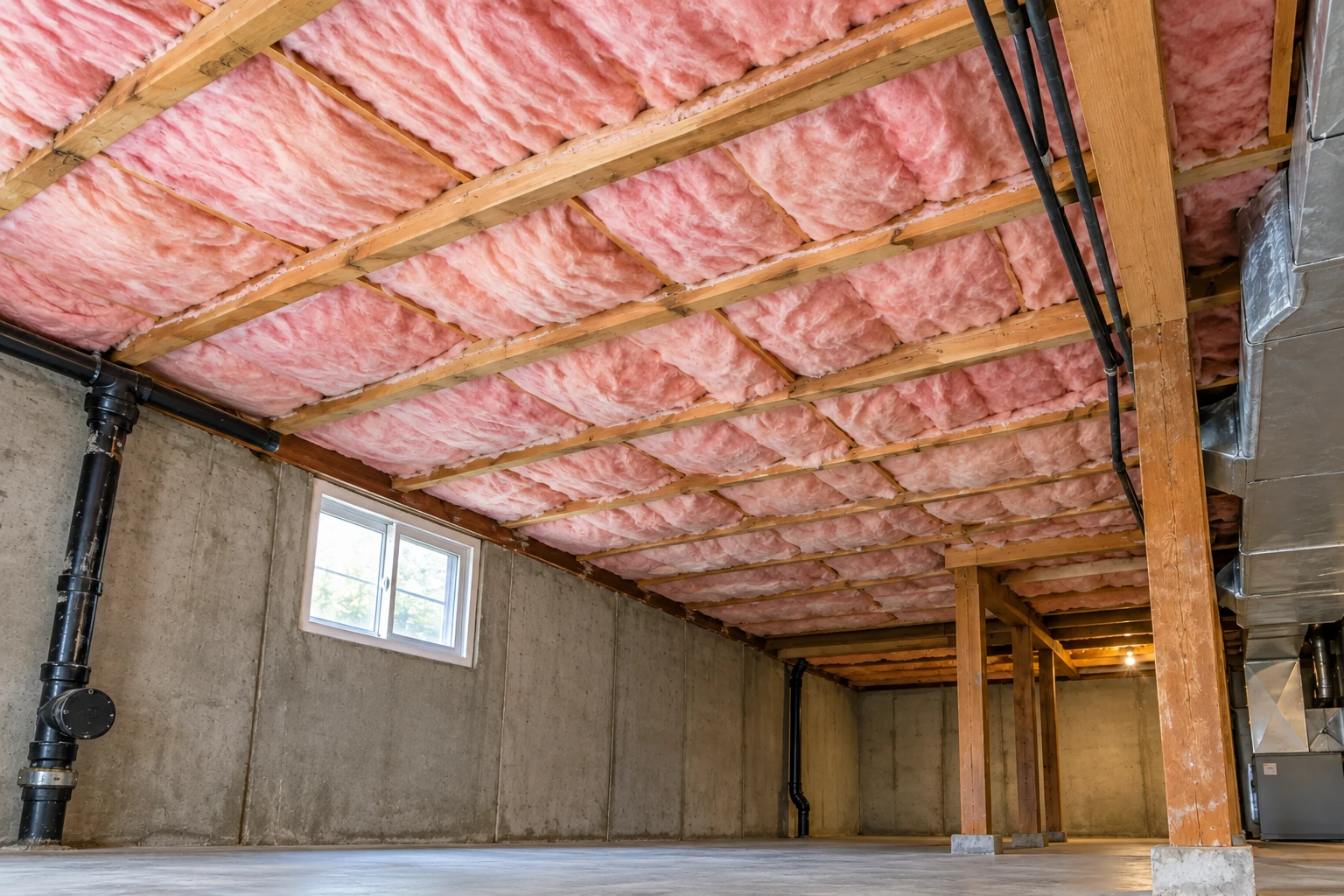
Basement insulation in Pueblo lines your foundation walls so the heat you pay for stays in the house instead of soaking into cold concrete. Done in the right order, with the walls dry first, it warms the basement and the floors above without trapping moisture behind the wall.
Most calls start with cold floors, a basement room nobody wants to sit in, or a power bill that climbs every winter. The price turns on how much wall there is, whether it's bare concrete or already framed, which material goes on, and whether we seal the rim joist, the band of wood sitting on top of the foundation. The schedule turns mostly on water, since a leak or damp spot gets fixed and dried out before anything goes up, and on whether the job needs a permit and an inspection. We're based in Pueblo and work in Pueblo West, Colorado Springs, Fountain and plenty of the cities around them, and we look at the space before we put a price on anything.
How we handle basement insulation
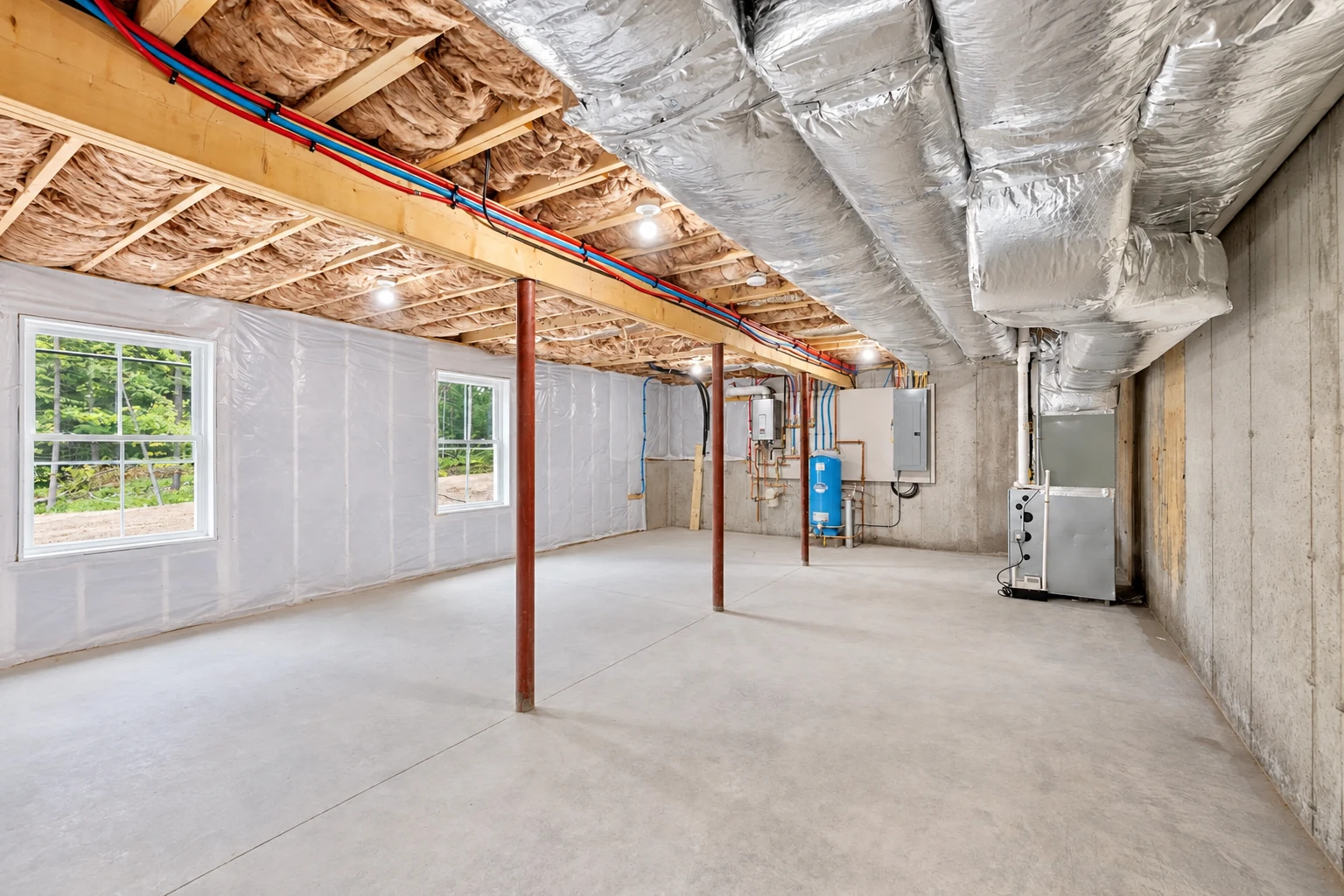
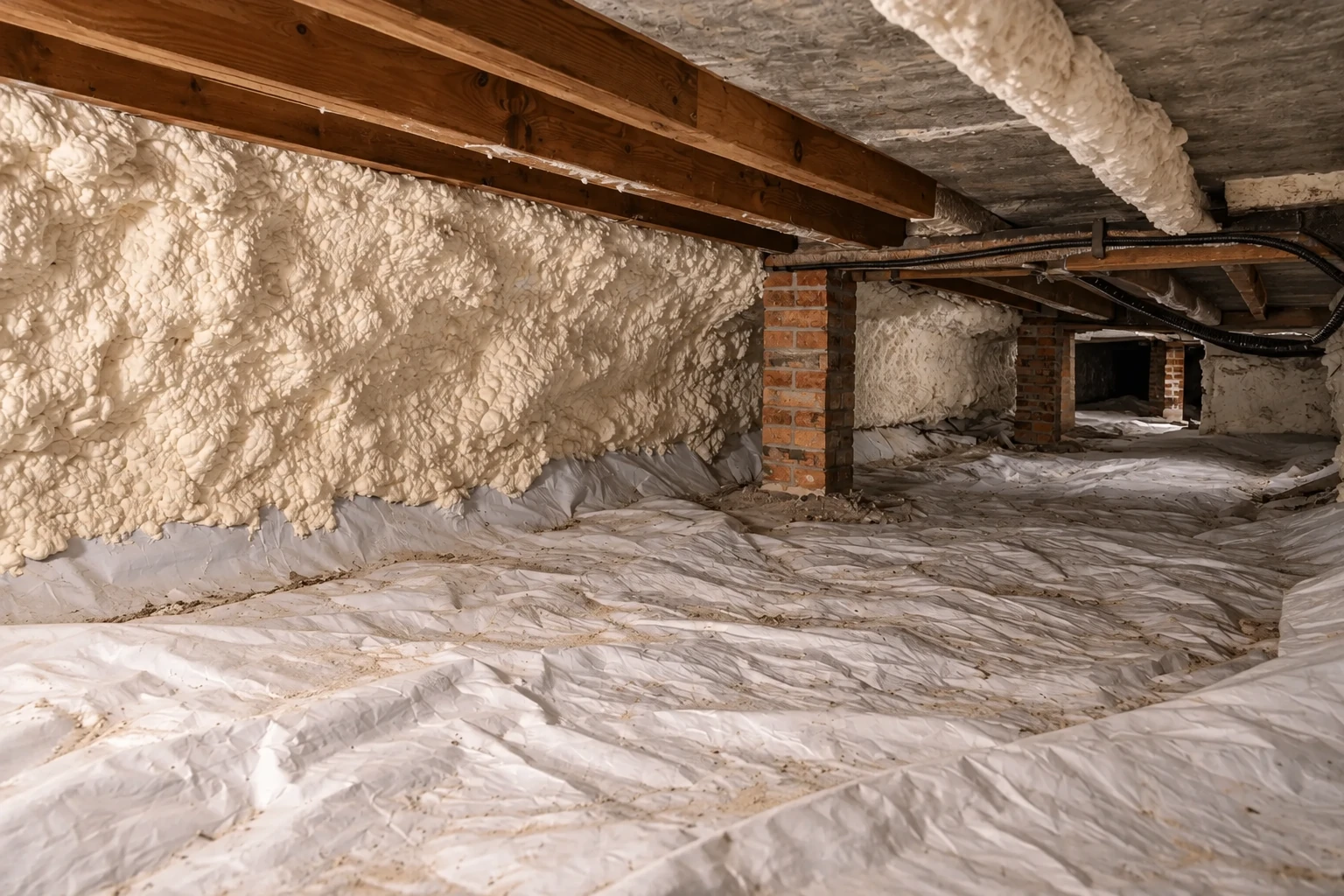
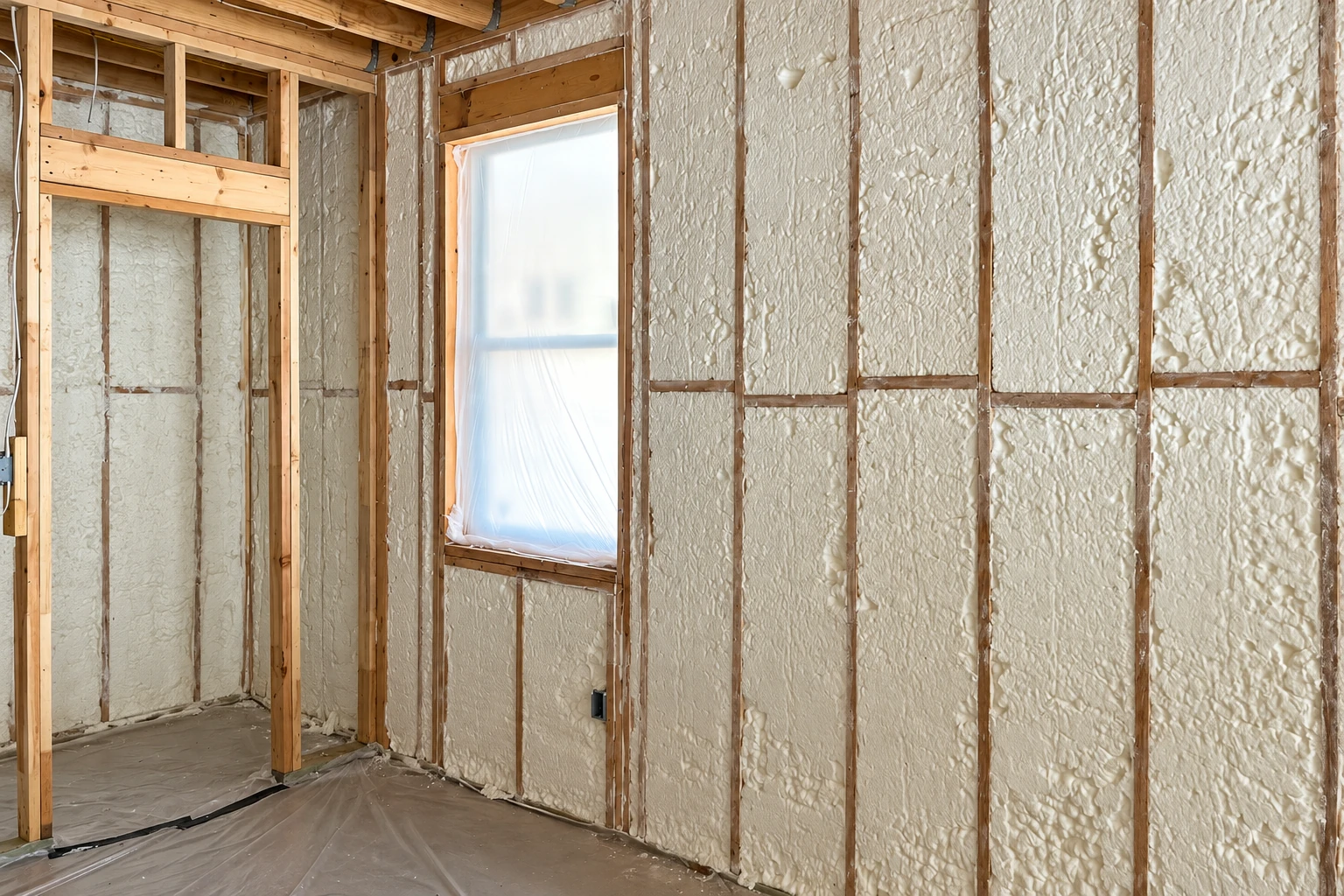
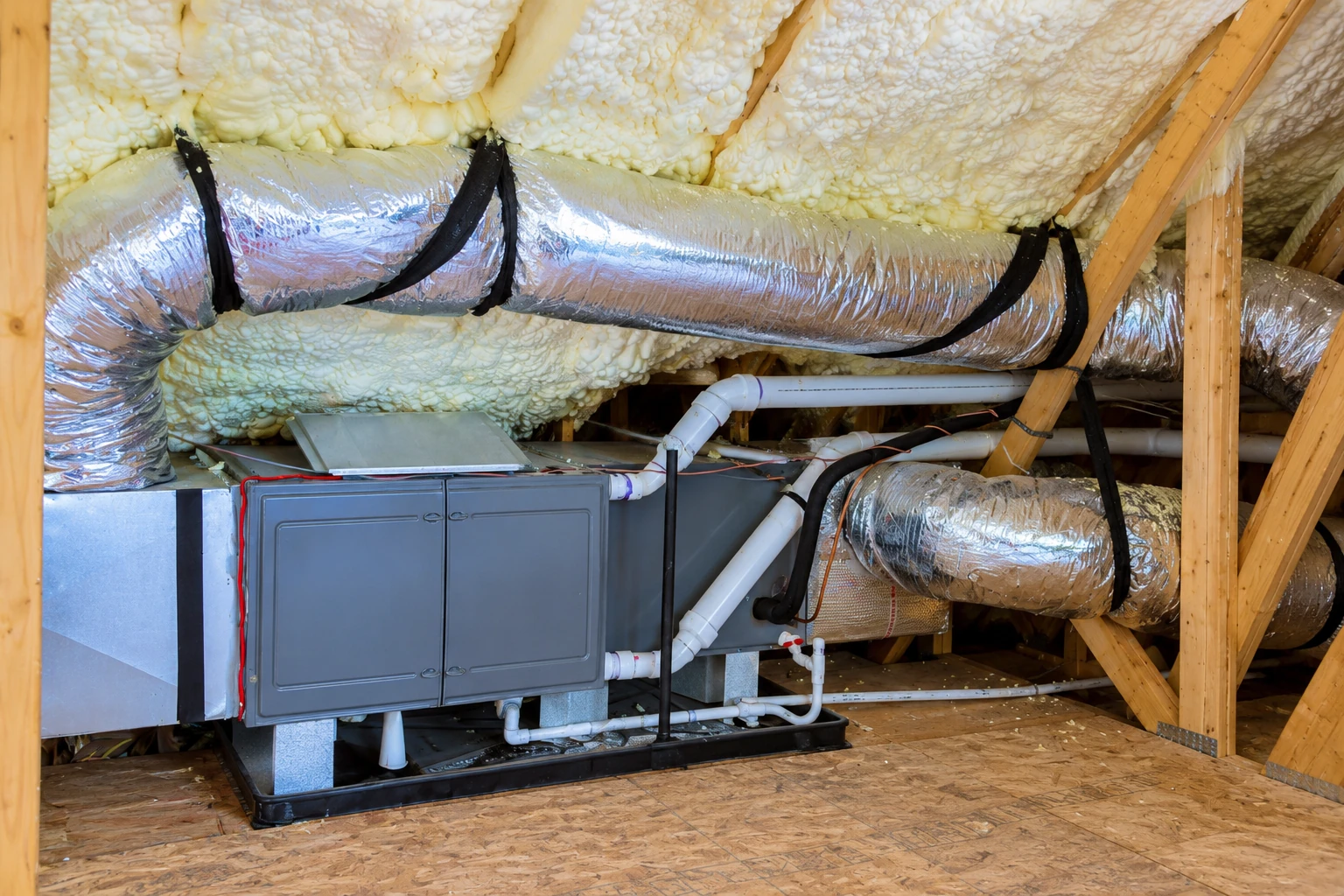
First we look for water, because basement walls have to be dry before we touch them, and a leak or damp spot gets sorted out before any insulation goes up. We don't put batts straight against bare concrete, so a bare wall usually gets foam sprayed tight to the concrete. If a framed wall floats above the slab, we keep it floating and insulate between the studs without pinning the bottom to the floor. Then we seal the rim joist with spray foam, which air-seals and insulates that band in one pass, because it's where a lot of basement drafts get in.
Against bare concrete we usually reach for closed-cell foam insulation, the dense kind that blocks moisture as well as heat, because that's what a cold wall sitting in the dirt calls for. Open-cell foam insulation is softer and costs less, so in a basement it usually goes in the ceiling between floors, where it quiets footsteps more than it fights damp.
What shapes basement insulation in Pueblo
The Southern Colorado Building Department issues building permits in Pueblo, and it asks owners to check whether a permit is required before doing any work. Pueblo, the county and the Colorado Springs side don't all use the same office, so before we start we find out which one covers your address, and if the job needs a permit, we pull it and line up the inspection.
Pueblo sits at the south end of the Front Range corridor, where swelling clay runs under all the major cities, and clay that takes on water can lift a basement slab. That's why basements in parts of Colorado are framed with a gap above the concrete, so the floor can move without shoving a tight wall up into the floor joists and damaging the house. It's a big part of why we leave a floating wall floating. We run into those walls on jobs in Pueblo West and Colorado Springs too, and they get the same care there.
Why call us for basement insulation
I look at your basement myself
I come out for the estimate, and our install crew does the work with me on site for most of it. The person who looked at your walls is the one checking them when the foam goes on.
Insulating homes since 2017
I taught myself this trade from books and maker guides, then learned the rest on my knees in crawl spaces, which is a good way to remember a lesson. Nine years in, I'd still rather tell you a job should wait than do it fast and wrong.
Licensed and fully insured
We carry our licence and insurance into every basement we work in, so if something goes sideways on your property, it isn't your problem to sort out. Ask to see it before we start and we'll show you.
Permits for rentals, not just homes
Pueblo only lets an owner pull their own permit when they own the house and it's their main residence, so a rental needs a licensed contractor to pull the permit and do the work. If you rent the place out, we take care of that part for you.
- Phone
- (719) 601-8052
- Hours
- Mon–Fri: 6 AM–9 PM, Sat–Sun: 8 AM–10 PM
- Location
- Pueblo, CO 81003
Tell me whether your walls are bare or framed, any damp spots you've seen, and whether you live there or rent it out, then send it through our contact page or call (719) 601-8052.
Ask for a basement insulation estimate at your home
Estimates are free and done at your home, and there's no pressure to book. We reply within one business day to set a time, then I come out, look over the walls, the rim joist and any damp spots, and give you a price once I've seen the space.
- Phone
- (719) 601-8052
- Location
- Pueblo, CO 81003
- Hours
- Mon–Fri: 6 AM–9 PM, Sat–Sun: 8 AM–10 PM
- Credentials
- Licensed and fully insured.
Frequently asked questions
How much heat leaves through my basement?
A basement can account for 10% to 30% of a home's total heat loss, so in plenty of houses it's a bigger leak than people guess. Those cold walls and the slab also make moisture problems more likely, which is why the plan for keeping the walls dry matters as much as the insulation. If the floors upstairs feel cold all winter, the basement is a good place to look.
Can I put fiberglass batts on my basement walls?
You can, and batts cost less and are something a homeowner can install, but fiberglass or cellulose against a basement wall can soak up a lot of moisture and stay damp. Plastic sheeting on the room side makes that worse, because it traps the moisture in the wall. Foam costs more, but it insulates more per inch and seals air leaks too, so you get more out of less wall depth.
How do I get my basement walls ready for insulation?
Start by checking the walls for water coming in and fixing it, because any leak or wet spot needs its repair planned before insulation goes up. Water from gutters, downspouts and the slope of the yard should all be sent away from the foundation walls. If you're not sure what's wet, I'll point it out at the estimate.
How much does basement insulation cost in Pueblo?
The price comes down to how much wall you have and what goes on it, and we give you a number once we've seen the basement. Foam costs more than batts, and foam on basement walls gets covered with drywall to meet the building code's thermal barrier rule, a covering that keeps fire off the foam, so that layer belongs in the plan and the price from the start. Call (719) 601-8052 and we'll come take a look.
Do I have to leave home during spray foam work?
Plan on it, because one spray foam maker's guide says people and pets leave during spraying and afterward, for the re-occupancy time each product sets. Ask your installer for that re-entry time, the wait before you can come back inside, and line up a place for the kids and pets. I'll give you the time for the foam we're using before we schedule.
How long does basement insulation take in Pueblo?
Most of the waiting on a basement job happens around the insulation, not during it. Fixing water and letting the walls dry, an inspection if your job needs a permit, the drywall over any foam, and the re-entry time after spraying all set the calendar. I'll walk you through the order for your house at the estimate.
Other insulation work for your basement
Closed-cell foam insulation
If your foundation walls are bare concrete or cold air sneaks in along the top of them, this dense foam stops heat and damp in a single layer.
Open-cell foam insulation
If footsteps and TV noise carry between the basement and the rooms above, this lighter foam in the ceiling quiets things down.